Introducing RPACT Code
November 25, 2026
Introducing the RPACT Code engineers
Anoop Rawat
Product Innovation Lead at RPACT

- Leads prototyping of new products and AI applications
- Previously at Cytel (5+ years): trial design simulation algorithms and product prototypes
- Earlier: RCT design and analysis at J-PAL; data science at Mu Sigma
Deniz Aydoğdu
AI Engineering Intern at RPACT

- Builds and maintains the RPACT Code AI assistant
- Pursuing MSc in Bioinformatics, interested in AI applications in healthcare and genomics
- Background in Statistics and Biology, bridging quantitative methods with life sciences
Why RPACT Code?
- Trial design typically involves writing code (rpact) or using a graphical interface (RPACT Cloud)
- RPACT Code brings a conversational interface to trial design, allowing users to interact with the software in a more natural and intuitive way
- It uses
rpactfor statistical calculations andggplot2for plotting - RPACT Code aims to be the purpose built, high quality and (in the end) validated, AI assistant for trial design
Why not just use Claude or ChatGPT?
General AI assistants  RPACT Code
Calculations Codes them from scratch, often in Python Calls the rpact package
Results Usually not reproducible [@DoblerEtAl2025] Reproducible rpact code and output
Context General knowledge only rpact docs, validation, tests, and book
Workflows Generic, built for single users Trial design, shared with clinicians and other stakeholders
Access Agents like Claude Code run in IDEs (VS Code, Positron) Conversational interface, no IDE needed
Unique context for RPACT Code
We provide our agent with unique and internal context specific to RPACT Code, including:
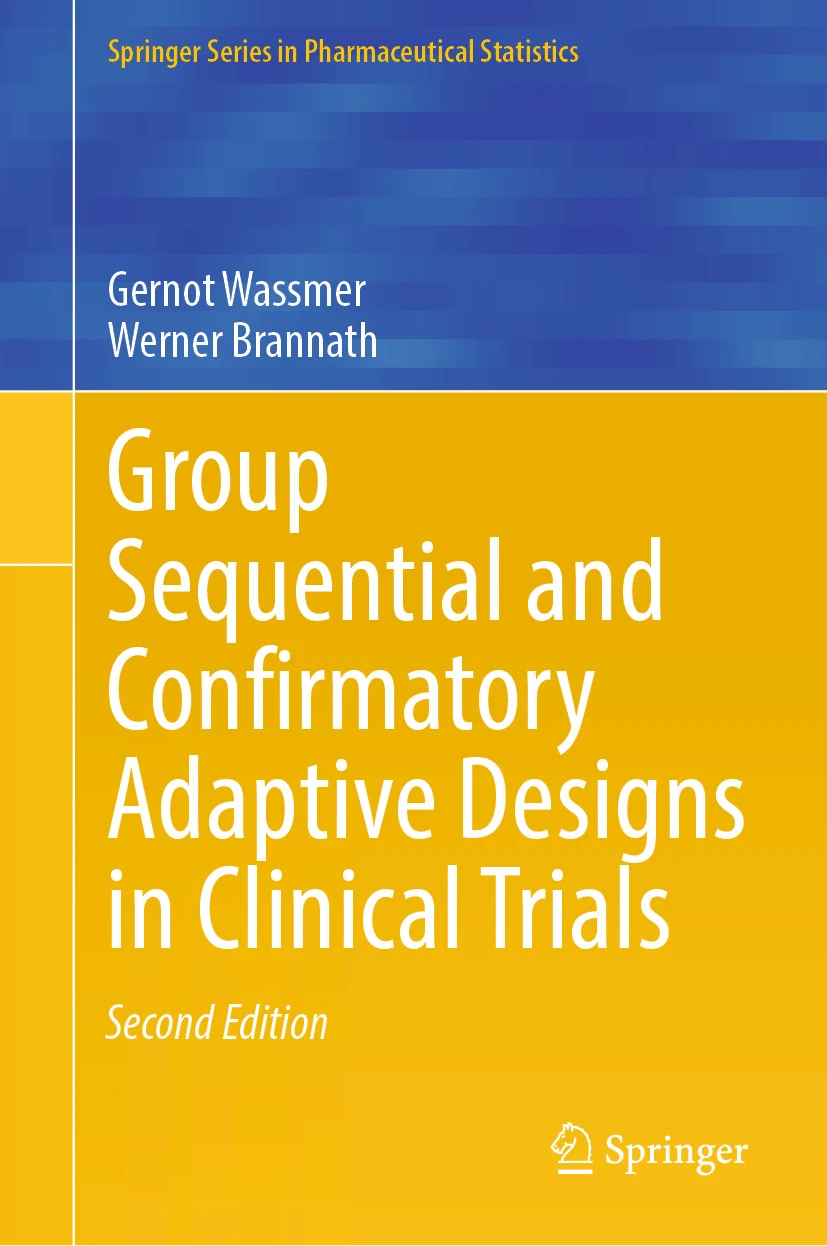
rpactvignette sourcesrpactfunction and parameter documentationrpactvalidation documentation, incl. functional specification and formulasrpacttest coderpactsource code- The accompanying book sources [@wassmer2025]
- Optionally, company-specific documents such as statistical sections in protocol templates, standard operating procedures, and internal guidelines
Building our own agent = LLM + harness
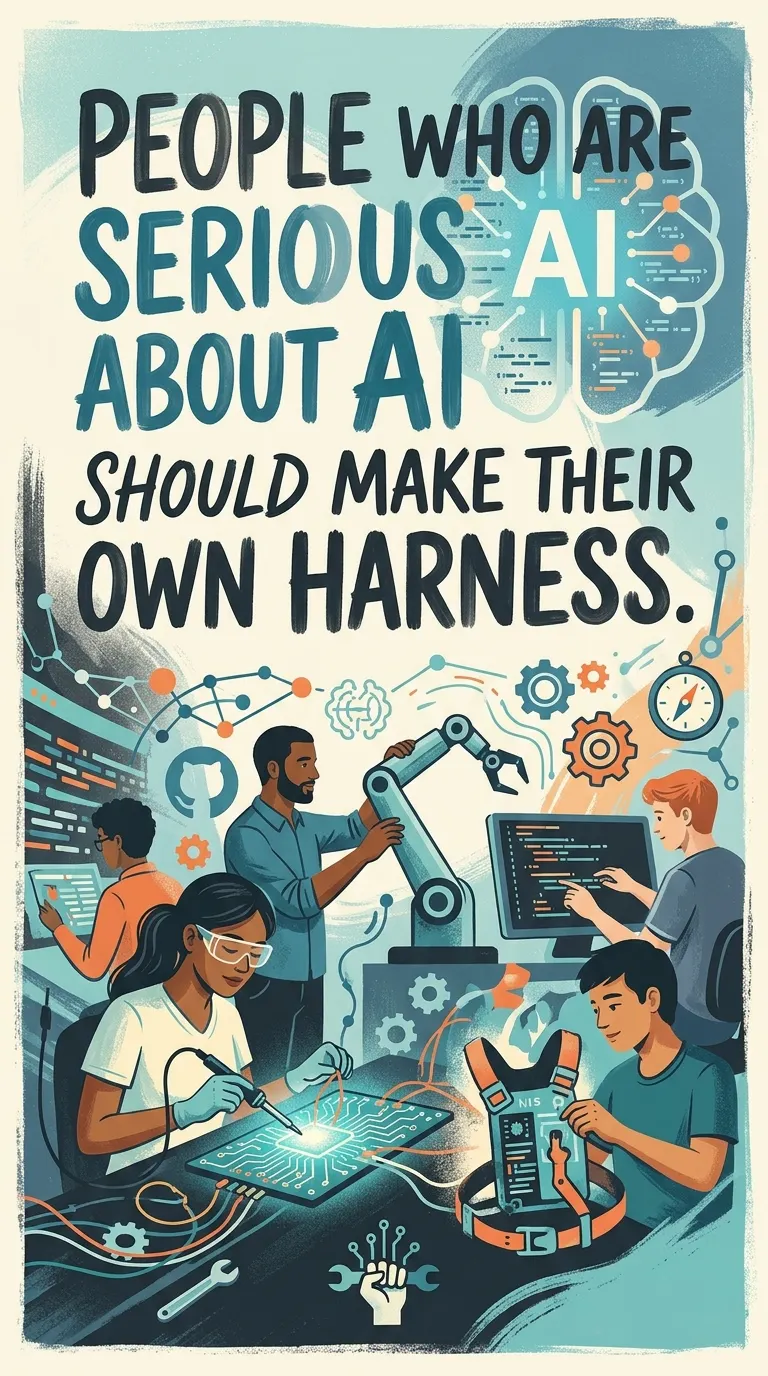
From deepgains.substack.com/p/people-who-are-serious-about-ai-should
Next steps
- Please book a separate demo session with us if you would like to see more
- You can also get free demo version access to try it out yourself, please contact us for the access details
- We are very curious about your feedback:
- What is surprising to you?
- What would you like to use it for next?
- Do you have some “crazy” ideas or use cases in mind?